Executive Serve: Delta Dental of Arizona
Delta Dental of Arizona has been a partner with St. Vincent de Paul for over nine years. The oral health care giant committed to 10 years of funding for the Delta Dental of Arizona Oral Health Center inside SVdP's dental clinic, which brings quality dental care to the uninsured.
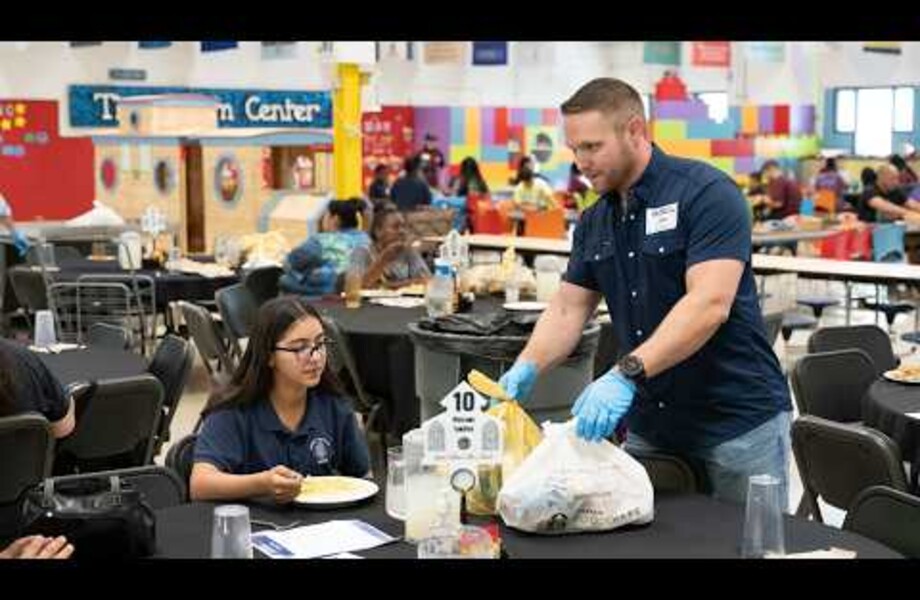
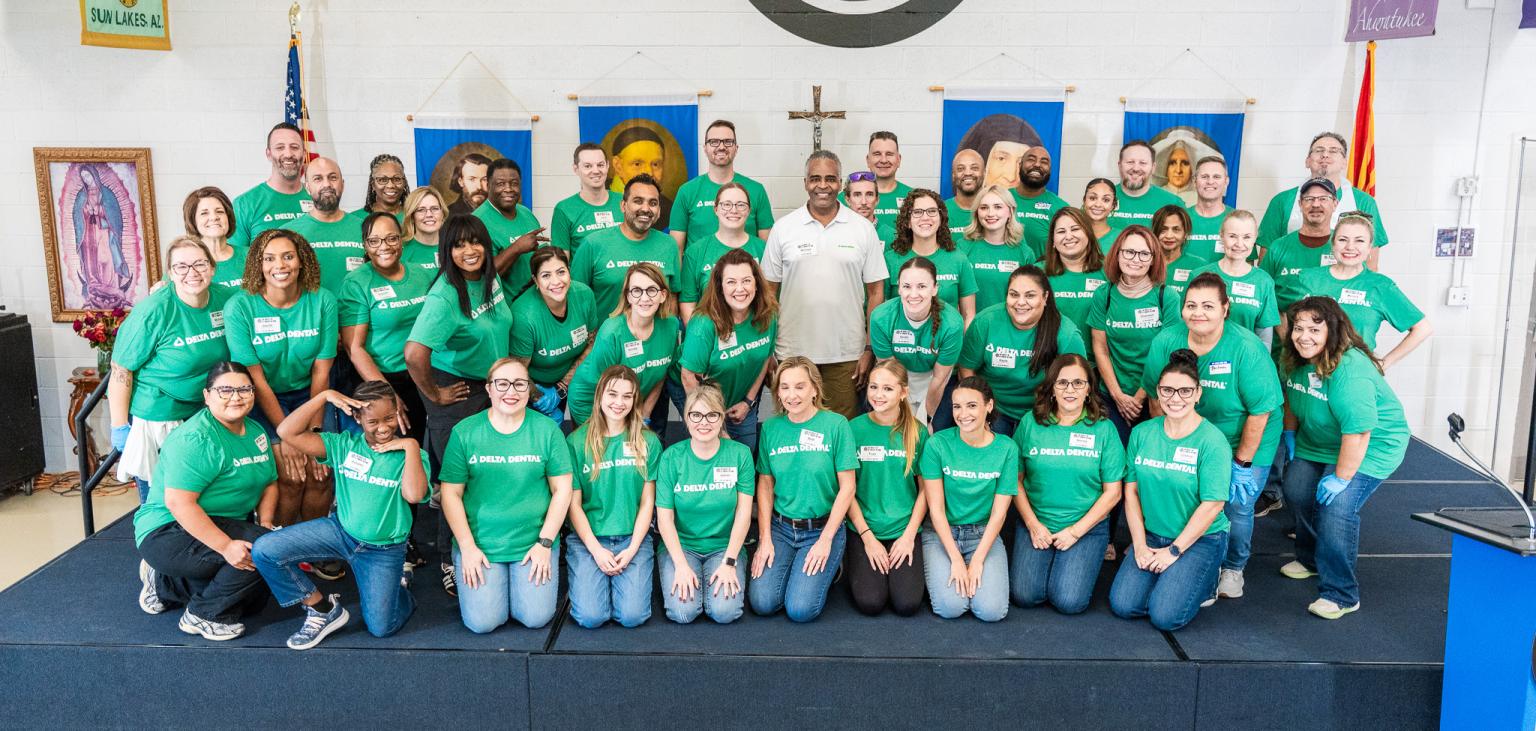
But the partnership extends outside the clinic as well. Every year, Delta Dental of Arizona's President & CEO Michael Jones comes to SVdP as part of the nonprofit's Executive Serve opportunity, which invites executives to volunteer in one of SVdP's programs and bring along staff to serve as well. For Delta Dental of Arizona, this annual tradition of serving families in the Family Dining Room and helping with educational activities in the Dream Center is one of their largest volunteer commitments as an organization.
During this year's service event, SVdP sat down with Jones to discuss the longstanding partnership Delta Dental of Arizona has with SVdP, why annual volunteer service is important to community and what makes SVdP such a special place to invest their organization's time and resources.
What originally drew Delta Dental to partner with St. Vincent de Paul?
The relationship with St. Vincent de Paul goes back easily nine-plus years, and the original reason was we love the mission and the vision of St. Vincent de Paul. We saw that there could be enhanced services here, particularly meeting the oral health needs of the community, and so for us, it was a natural partnership where we felt we could add a lot of value. Both in terms of the funding that we provided (we committed 10 years of funding for St. Vincent de Paul), but also the staffing resources. We connect St. Vincent de Paul with other people we know in the community through our networks to help them out with a variety of things. And, of course, we participate in events like Executive Serve. I believe it's our biggest volunteer activity that we do as an organization. We do a lot of them, but none of them are bigger than this one.
Why is it important to Delta Dental to be involved in the community?
We want to have a positive impact on people's lives throughout the state. It's a major reason why we have a foundation that provides grants to various organizations and supplies oral health supplies and education. We also, about a year or so ago, expanded the remit of our foundation to include food insecurity. Partnering with organizations like St. Vincent de Paul that has so many people that use the facilities naturally here, it just made sense. It's a force multiplier through St. Vincent de Paul, because of all the people that are here.
What have been some of your favorite projects you've taken on with SVdP?
It's the one we're doing right now, the Executive Serve event. We participate in so many things, of course, but the Executive Serve event has a special place in my heart. You need to know what's happening in your city, in your state, where the needs are, and you need to find ways to help other people. So this is a way for us to activate our own core values.
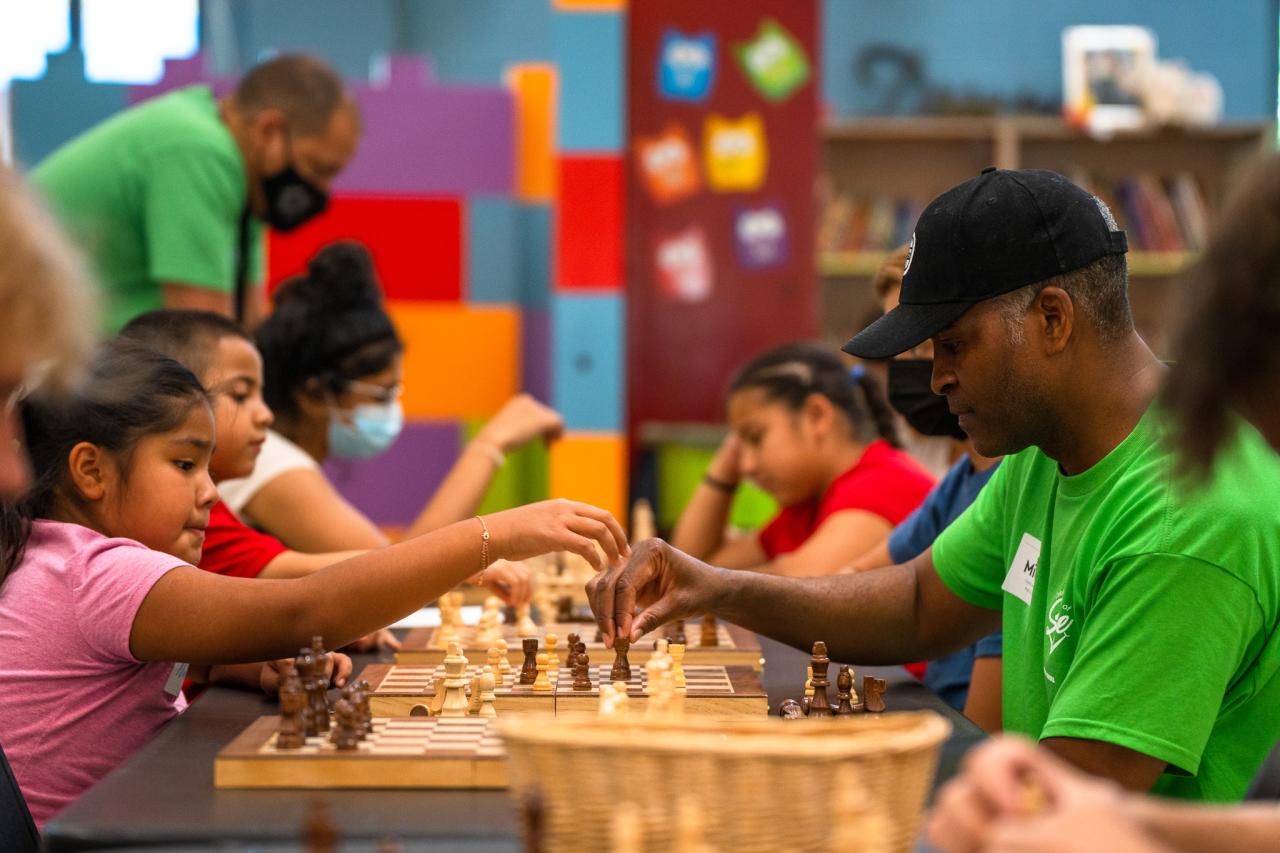
From a personal standpoint, the event is a lot of fun. Engaging with the youth who come in and need help with homework, or one of the kids' favorites is that I become "the chess guy" that they like to beat every year. Those things are fun because it also exposes them to people they may not otherwise see. I understand how important it is for people growing up in impoverished communities and areas to see different versions of different people, because that's how I grew up. I learned to play chess, as a matter of fact, in an organization just like this way back in Chicago. And so for me, it's a great full circle moment where I get to get involved, they get to see someone different with them and connect with them in a different way that probably they've never seen before.
Why has this partnership lasted so long?
There's true commitment on both sides. St. Vincent de Paul is committed to helping us extend our vision to people who need it, and we are committed to how we can magnify the impact that St. Vincent de Paul has in the community. That commitment is really important, and you can't take it for granted. We're committed to this. This is part of who we are. It's part of our DNA as an organization, and it's part of our mission and our vision.
There's also a connection with the cultures of the organizations — our team and the people at SVdP. I think that's why it's worked so well over all these years, and why it's going to continue to work well.
Why is there such a need for dental care, especially pediatric dental care, in the Valley?
There are a lot of different reasons. First, there are normal, every day, working Americans that don't have coverage. The fact of how benefits have been scaled back, and how coverage is beyond the reach of so many people, especially if you're in an impoverished category. If all you can afford is shelter and food, unfortunately you pass on dental, vision, hearing, maybe medical. So there are tough choices that are being made out there every day. That's real for them, and that's why children especially aren't getting the type of care that they need.
There's also a lack of awareness or understanding of proper pediatric dental care. Like the fact that, when a child's first tooth comes in, you ought to take them to the dentist. You want to set them up for a good experience so that there isn't reluctance later on in life. A lot of people don't understand the connection between that and establishing a good, positive pattern.
What impact have you seen from the dental clinic partnership?
We get to meet oral health care needs! Because if you don't, those things can have huge effects on the rest of the body. Even the psychological and emotional toll that it takes on people when you can't look at yourself in the mirror because your mouth is decayed, what a difference it makes when you then provide them with the proper care. People are excited. They're a lot more enthusiastic, they're a lot more positive, they're not as insecure. It's a life changer.
A lot of people don't realize that unless they've either spoken to someone that's been through it, lived it themselves, or contributed in some way, because then they get to hear the stories around it.
To me, the indicator of success is, "Are we seeing the number of people served, the impact through the clinic, through people's lives growing and changing?" There's certainly the numbers to count, but there's also the stories that tell the tale. I like to see and hear about more of those stories. Lives impacted. That, to me, is how we need to measure success.