What should you do if someone on the street asks for money?
We asked staff members here at St. Vincent de Paul what their response is when someone on the street asks them for money. Living in an urban environment, many have encountered this situation, and it begs the question, “Should I give money?”
While there is no right or wrong answer, having the insight of those who have worked with the most vulnerable in Arizona for many years may be helpful. Read below their perspectives as you carefully weigh the approach that works best for you and while still helping those in need.
Quick summary:
- Giving money or not is a personal choice
- Carry snacks and needed items to hand out instead of or in addition to money
- Carry SVdP Need-a-Hand cards with you to connect people to resources
- If you can't help in the moment, make a commitment to help later by giving to a local charity
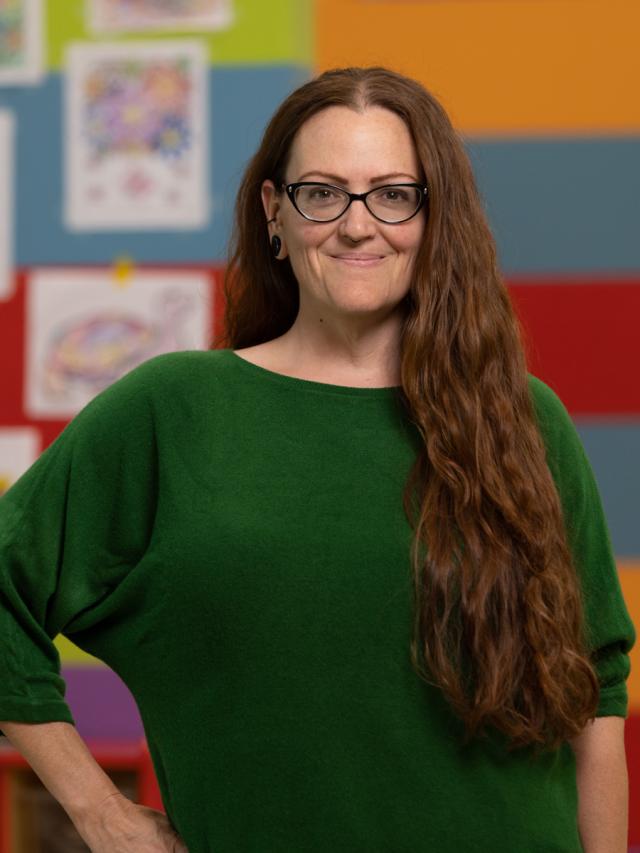
Jennifer Morgan
Special Relief Program Manager
I think usually when people ask for money, they are going to have a little bit of willingness to discuss their situation. And sometimes, even more than cash, people need to be seen and understood. If you're willing to share finances, then sometimes that's okay too, as long as you don't attach expectations to it.
The fact is that people’s situations are going to be very different, and sometimes they're going to ask for money because they need a bus pass, because they need to get to an appointment, or to a service.
If you're not comfortable giving money, because you fear that someone may use it on drugs or alcohol, then being prepared with resources is better, or maybe have some items that people need.
But, the fact is, sometimes that is what's going to happen. It's not always the case, not everyone who is homeless is experiencing substance abuse or substance dependence, but sometimes they are. And if people are asking for money on the street, that means that they're coming from a place of desperation.
If it is going to be used for drugs, sometimes that is just so that someone can feel well enough to function throughout their day. Maybe that's what they need to get into treatment, to make that connection to get to that next step in their lives. I know it's not really a popular opinion.
I think if you're willing to engage with someone asking for help, being prepared is going to be the best thing that you can do. I usually keep some supplies in my car. I have a couple of bottles of water, so put a little bit of effort into researching local services and supports, what programs are nearby, or how to connect someone to the things that they might need to help them resolve either their homelessness in general or help meet their day-to-day needs while they're experiencing homelessness.
At St. Vincent de Paul, we have cards called Need-a-Hand cards that list resources and support that are available, and that's always a good option to hand someone. Something that gives them a path to services and support.
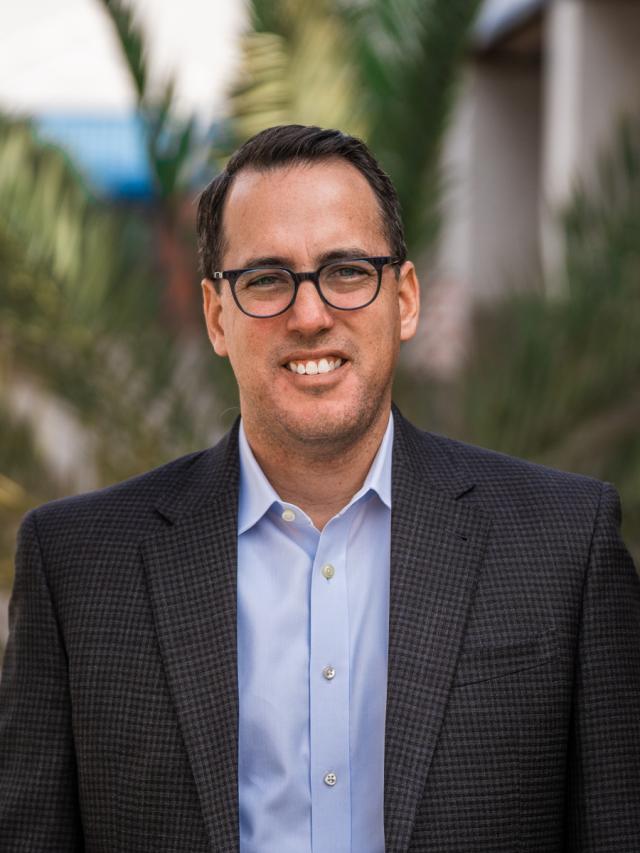
Ryan Corry
Chief Philanthropy Officer
I think this is a really personal choice, when you encounter someone who's wanting money. Sometimes you really just feel compelled to engage and give, and I think that's okay.
Personally, I have a wife, I have three kids, a lot of times we're in the car together. A lot of times we're at a freeway off-ramp, and it's just not the safest choice for anyone, the person who needs the money, or me and my family, to stop and engage at that point.
The beautiful thing about kids is they see people, they feel empathy, they want to do something. And so we've devised a family plan that every time we see someone in need, and we can't do something, we have a little piece of paper in our car, and we just make a little checkmark, and we do something later. So we might donate some food, or we might pack some clothes, or we might give money to St. Vincent de Paul. And I hope that's teaching our kids to really see people, whoever they are, wherever they are, and do something.
When I'm in my car alone, it's a lot easier to make a choice to roll down the window and engage, so I'll keep water bottles and trail mix in my car. And of course, St. Vincent de Paul Need-a-Hand cards.
The most important thing I do is I just say, “Hi, I'm Ryan, what's your name?”
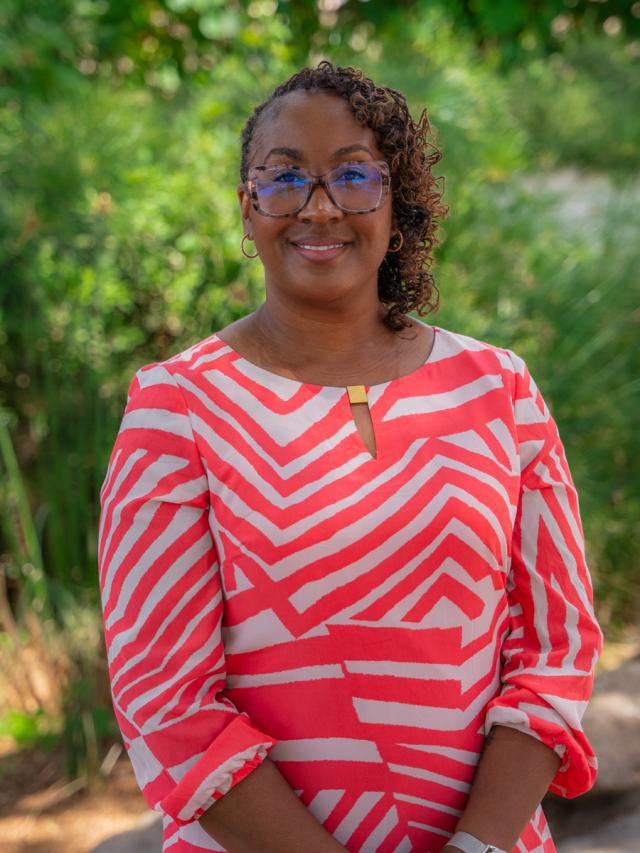
Krashanda Cleveland
Manager of Social Work Services
Sometimes I don't necessarily give money. If it's something specifically that they're asking for, I will go in there and get it — like at gas stations. If I see them sitting out there, they're not asking for anything, but I bring a bottle of water out for them. It becomes easier for you to just unconsciously grab something extra because I know I'm going to see somebody throughout the day.
I've been carrying food, clothing, extra items, things that I know that they would need in my car. But each place is different. Here in Arizona, since I'm familiar with the need right now, I try to carry things in my car that is beneficial for them.
If you have one of our St Vincent de Paul Need-a-Hand cards, that gives them the information on how to contact us. If you're driving around St. Vincent de Paul area, you get familiar with the individuals that are homeless, and sometimes I do give them cash because I know them personally. Other times, if I have food in the morning, I try to put extra food in my car because I know that I'm going to drive down that street and people I know are going to be standing out there. So if I have any food or water, I give that to them.
I do cook some extra food for them sometimes, but if I stop at Chick-fil-A, I'll get an extra sandwich and hash browns. If there’s stuff around the house, an apple, a banana, some fruit. Or if I went out the night before and grabbed food, and if I had leftovers, I'll give them that. They're more appreciative with that than anything else.
Everybody's situation is different as to the reasons why they became homeless, so don't pass judgment when you see them. If you are able to help, help. If you are not, it's just a matter of writing down the SVdP phone number and directing them to us, because we can help.