We prevented homelessness for over 39,000 Arizonans in 2025

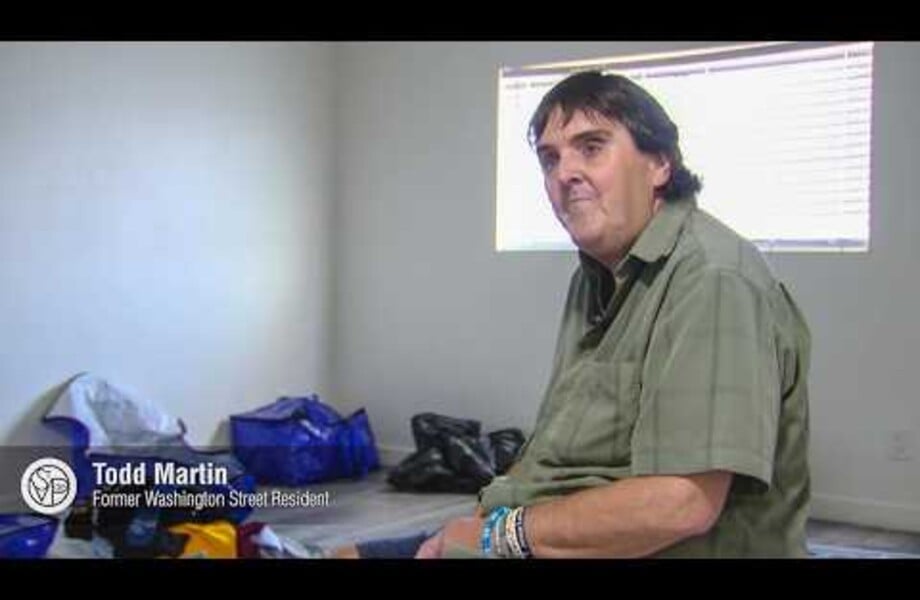
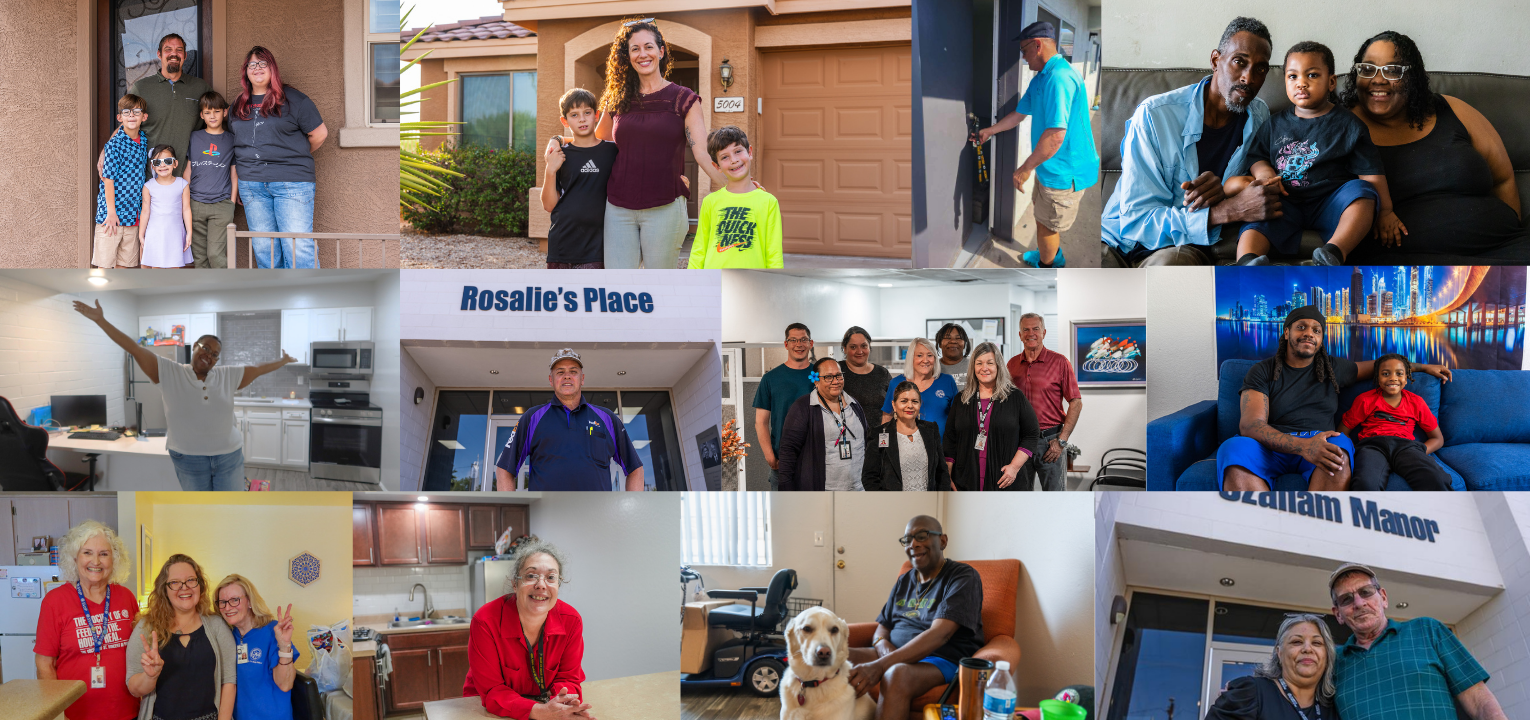
Thousands of individuals saved from homelessness — that’s the impact of St. Vincent de Paul having achieved its Housing 2025 initiative.
A Bold Goal With a Main Focus: Prevention First
In early 2025, SVdP committed to a bold goal: It would prevent homelessness for 12 people for every person it rehoused who was experiencing homelessness. The 12:1 goal set a prevention-first approach designed to stop homelessness before it starts.
The Results Exceeded the Goal
By the end of 2025, SVdP exceeded its goal by more than doubling its prevention impact
- 39,231 individuals prevented from experiencing homelessness through bill assistance and stabilization services
- 1,173 individuals rehoused into permanent housing after experiencing homelessness
That calculates roughly to a 33:1 ratio, meaning SVdP prevented homelessness for 33 people for every one person rehoused.
Housing 2025 asked us to think bigger — not just about rehousing, but about prevention,” SVdP’s Rob and Melani Walton Endowed CEO Shannon Clancy said. “Homelessness is traumatic, and every person we can keep safely housed is a trauma prevented. At the same time, every person we move into permanent housing is a life stabilized. This milestone recognizes that both approaches matter, and that together, they work.
Addressing a Growing Local Crisis
SVdP came up with the 2025 goal in an effort to reverse an alarming homelessness trend in Maricopa County.
According to a 2024 report from Maricopa Association of Governments, more people entered homelessness than exited. The report showed that for every 10 people rehoused, approximately 19 people entered homelessness (roughly a one to two ratio). SVdP’s goal ratio aimed to more than reverse the Maricopa County trend.
Our Housing 2025 initiative challenged us and our partners to intervene faster, more creatively, and collaborate more deeply,” SVdP’s Chief Program Officer Jessica Berg said.
How SVdP Achieved Their Prevention and Rehousing Goal
SVdP’s success was driven by a combination of prevention and rehousing strategies, including:
- Emergency financial assistance to prevent evictions
- Landlord negotiation and mediation
- Ongoing case management and stabilization services
- Emergency shelters and interim housing communities
- Coordinated permanent housing placements
- Expanded collaboration with funding partners and service providers
- Exploration of non-traditional housing options
Most importantly, SVdP saw how crucial just $2,000 or less is in ending a crisis that could have resulted in a loss of housing.
The Evolution of Housing 2025
SVdP’s Housing 2025 initiative was born out of response to Arizona’s homelessness crisis in October 2022, with the original goal set to rehouse 2,025 people by the year 2025. That goal was achieved a year ahead of schedule, giving SVdP the opportunity to reimagine a goal that prioritized both homelessness prevention as well as response in the final calendar year. Overall, SVdP rehoused a total of 3,758 individuals experiencing homelessness from October 2022 through December 2025.
What Comes Next
While Housing 2025 has reached its formal conclusion, SVdP will continue its homelessness prevention and rehousing work at the increased rate it has proven possible.
Meeting our goal doesn’t mean the need has ended,” Clancy said. “As long as people in our community are at risk of losing their homes or living without one, SVdP will continue to strive to rehouse people and prevent homelessness. The Housing 2025 campaign concluded, but it showed all of us what’s possible when a community comes together to put our love into action, and that spirit and collective action continue.