7 Arizona Summer Struggles We All Experience
You know you live in Arizona when 100-degree weather is considered “not that bad”
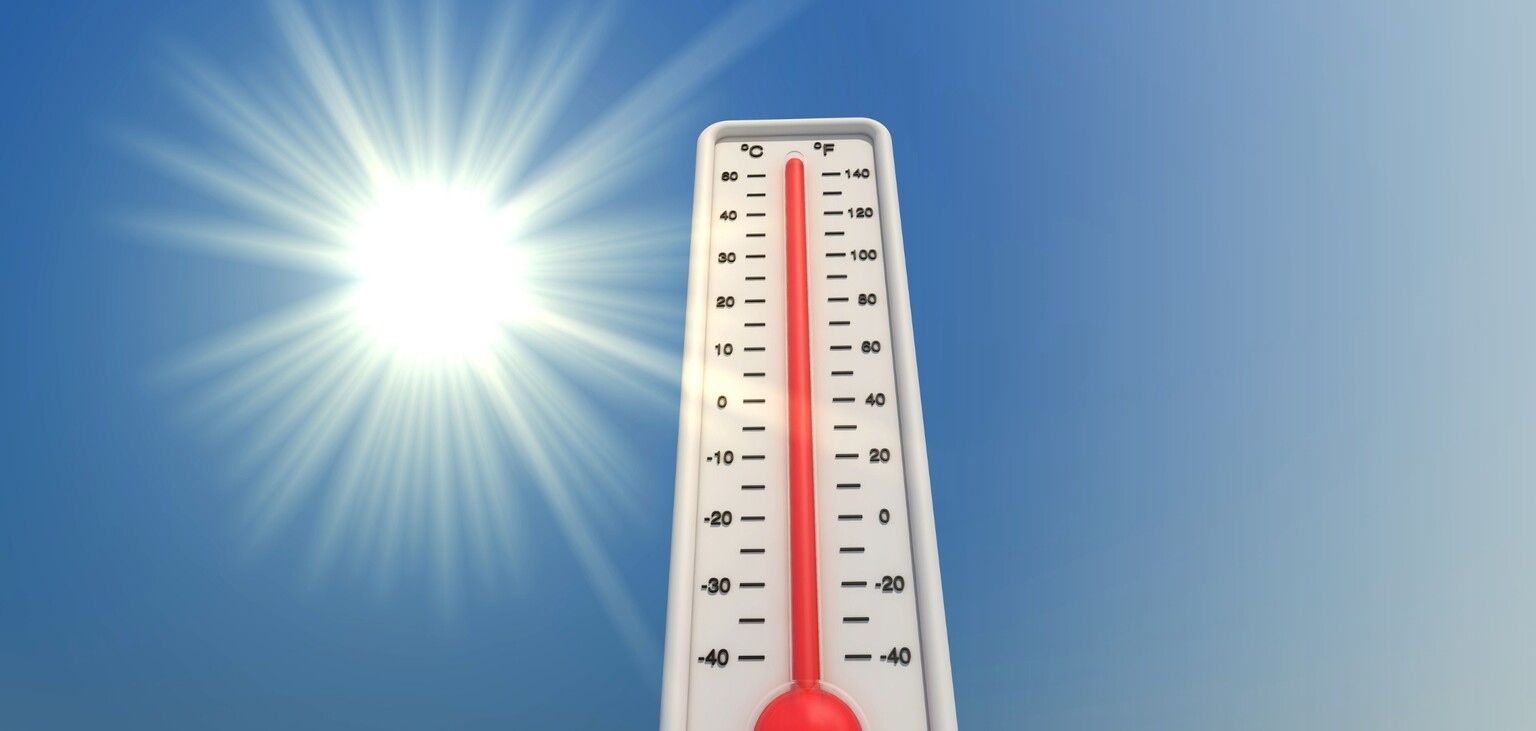
The Phoenix area experiences an average of 111 days each year with temperatures reaching 100 degrees or higher, typically between May and October. Every summer, Arizonans find ways to adapt, like turning up the AC, carrying extra water bottles, and planning errands around the hottest parts of the day.
But for someone experiencing homelessness, there is no thermostat to lower, no cool home to return to, no escape from the heat.
Here are seven things everyone experiences during an Arizona summer, and how the same heat creates very different realities for someone experiencing homelessness.
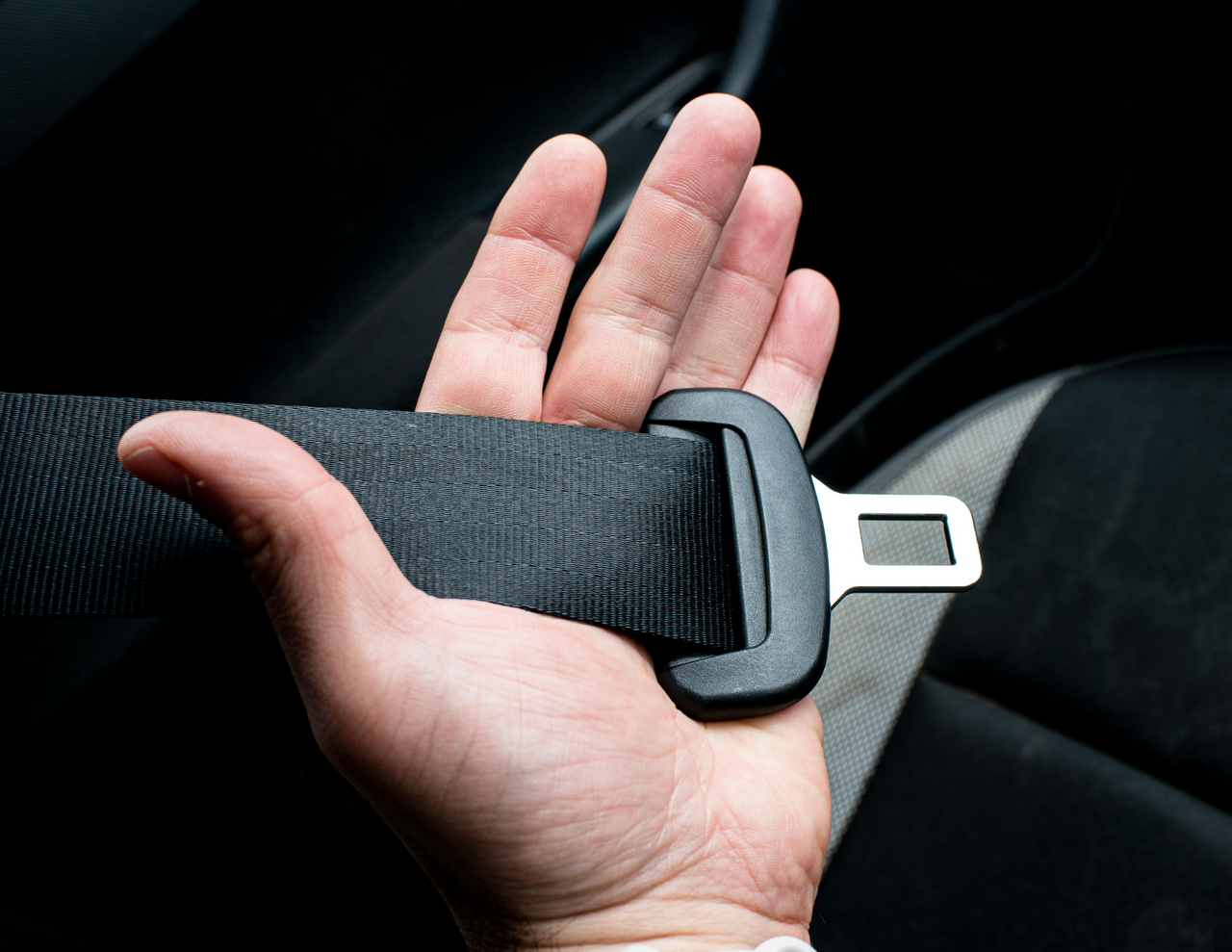
1.Burned by the seat belt buckle
Every Arizonan has had the moment when they climb into their car, reach for the seat belt, and accidentally touch the metal buckle that feels as hot as a frying pan fresh off the stove. For most, it only lasts a moment. Soon, the AC kicks in, the car cools, and the day goes on. But for someone experiencing homelessness, surfaces around them, like sidewalks, benches, and pavement, can become dangerously hot, limiting where they can sit or rest. What feels like a brief inconvenience can become an all-day challenge for someone without a place to cool down.
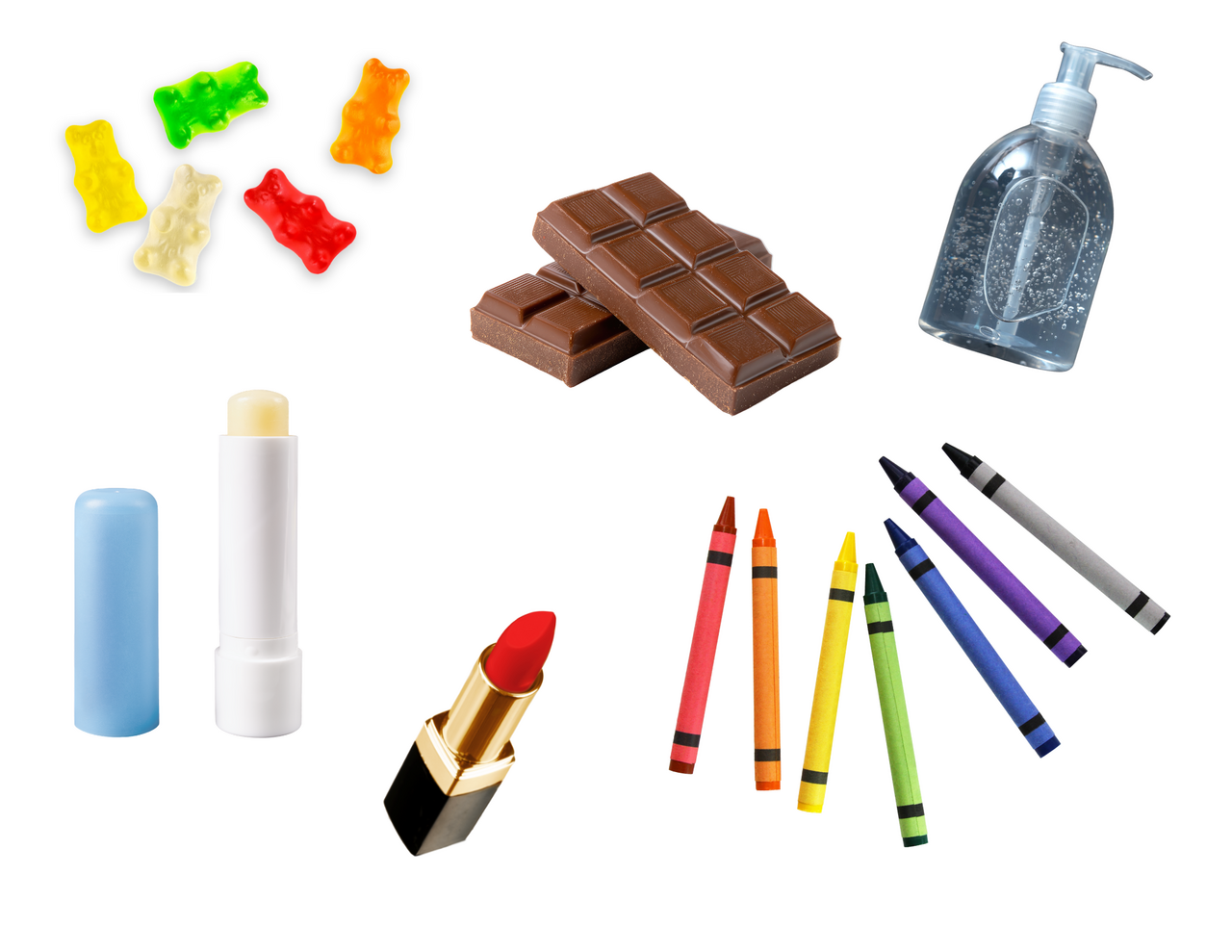
2. Melting items in cars
Chapstick, snacks, hand sanitizers — anything left in the car becomes a victim of Arizona’s triple digit heat. Parents particularly know the pain of finding a melted crayon in a car’s cupholder or on the seat. But for someone experiencing homelessness, the entirety of their belongings are exposed to the same relentless heat day after day. Clothes, personal items, and even food can be affected by the brutal temperatures. Every possession is precious, and watching essential items become damaged by the extreme heat can be constantly stressful, if not tragic.
3. Water bottles turns into hot tea in the car
Many Arizonans have reached for a bottle of water left in the car only to discover it's almost too hot to drink. It's frustrating, but most people can replace it with another cold bottle or get more from the fridge. However, for someone experiencing homelessness, access to water isn’t that simple. They can’t just discard warm water, and finding places to refill or receive water takes time and effort, often requiring that they plan their whole day around having access to it. During extreme heat, staying hydrated is a matter of life and death.

4. Feeling too hot and drained to make plans for outdoor activities
The Arizona heat makes even simple outdoor activities feel exhausting. A walk around the neighborhood, a trip to the park, or an afternoon outside often requires planning around the hottest parts of the day. For many, the heat is a huge inconvenience that changes what they want to do. For someone experiencing homelessness, it changes what they have to do just to survive through another day. Their decisions are shaped by where shade can be found, where water is available, and when the next opportunity to cool down might be.
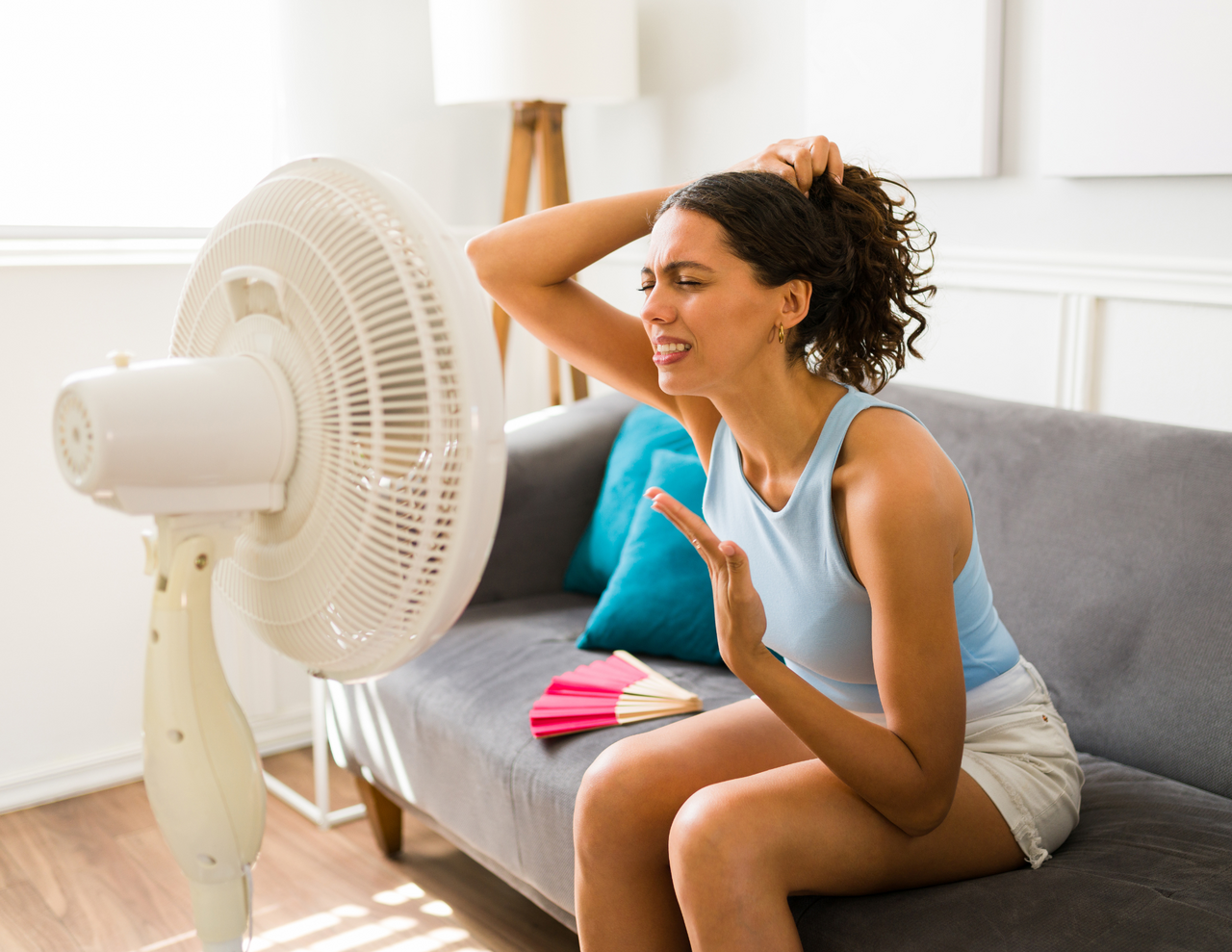
5. Going out at night and it’s still 100 degrees
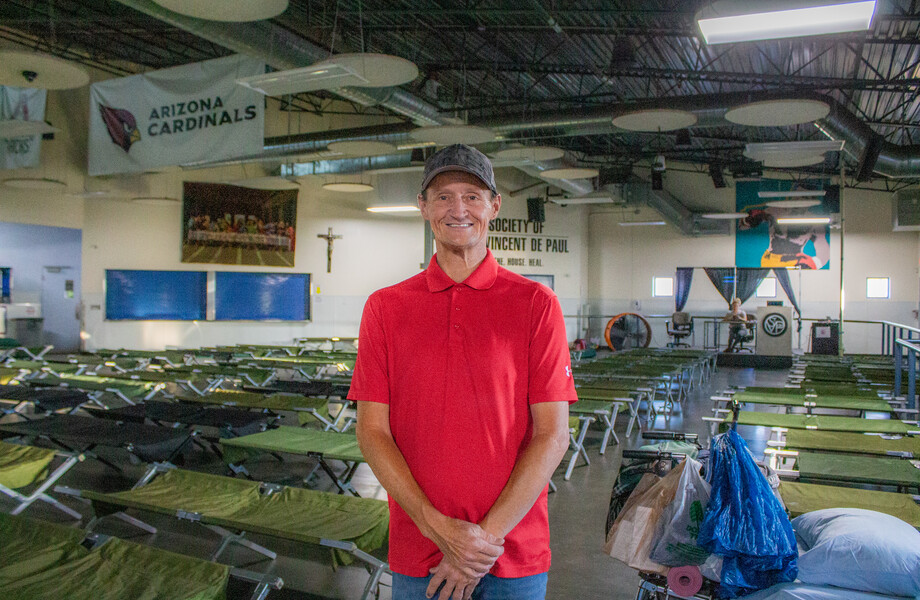
When the sun sets in Arizona, many would hope the evening finally cools down, but often it stays over 100 degrees throughout the night. It’s an inconvenience because the only place to rest is inside a cool home, but for someone experiencing homelessness, the night is just a continuance of the draining daytime heat. Without an overnight heat relief shelter to rest, the lingering heat can make it difficult, if not impossible, to sleep, recover, and escape the dangers of extreme temperatures.

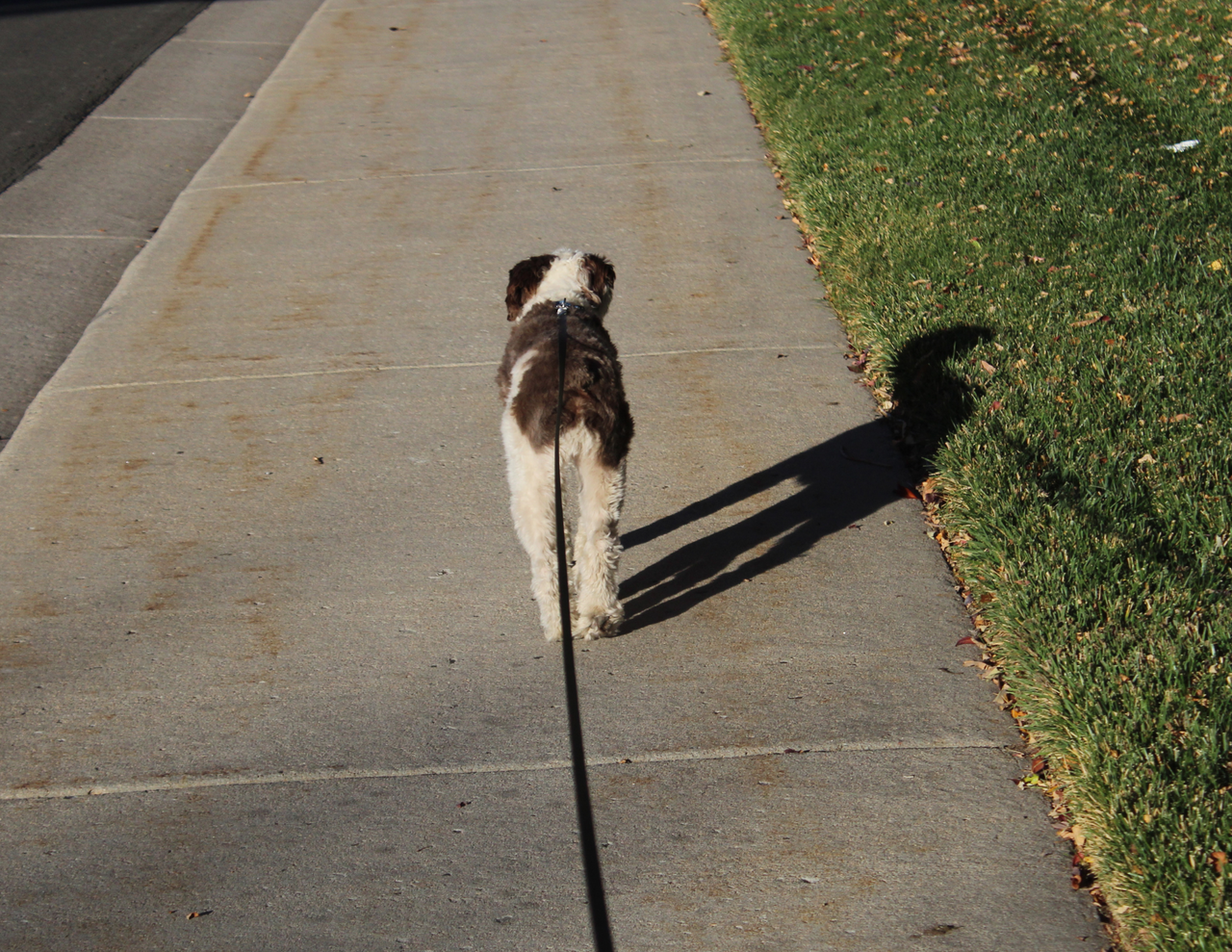
6. Walking the dog before the pavement gets too hot
Arizona pet owners know to check the pavement before heading out for a walk to protect their dog’s paws from burning. Many wait until sunrise or after sunset, stick to grassy areas, or shorten walks altogether. For someone experiencing homelessness with a pet, their options are much more limited. When a dog is someone’s only companion, and they are living outdoors together, avoiding the scorching pavement can become a daily challenge, if not entirely impossible. Some carry their dogs, push them in strollers or carts when they can, or search for patches of shade to give their paws a break. Even then, protecting a beloved companion from Arizona's extreme heat often requires constant creativity and difficult decisions.
7. Groceries warm up on the ride home
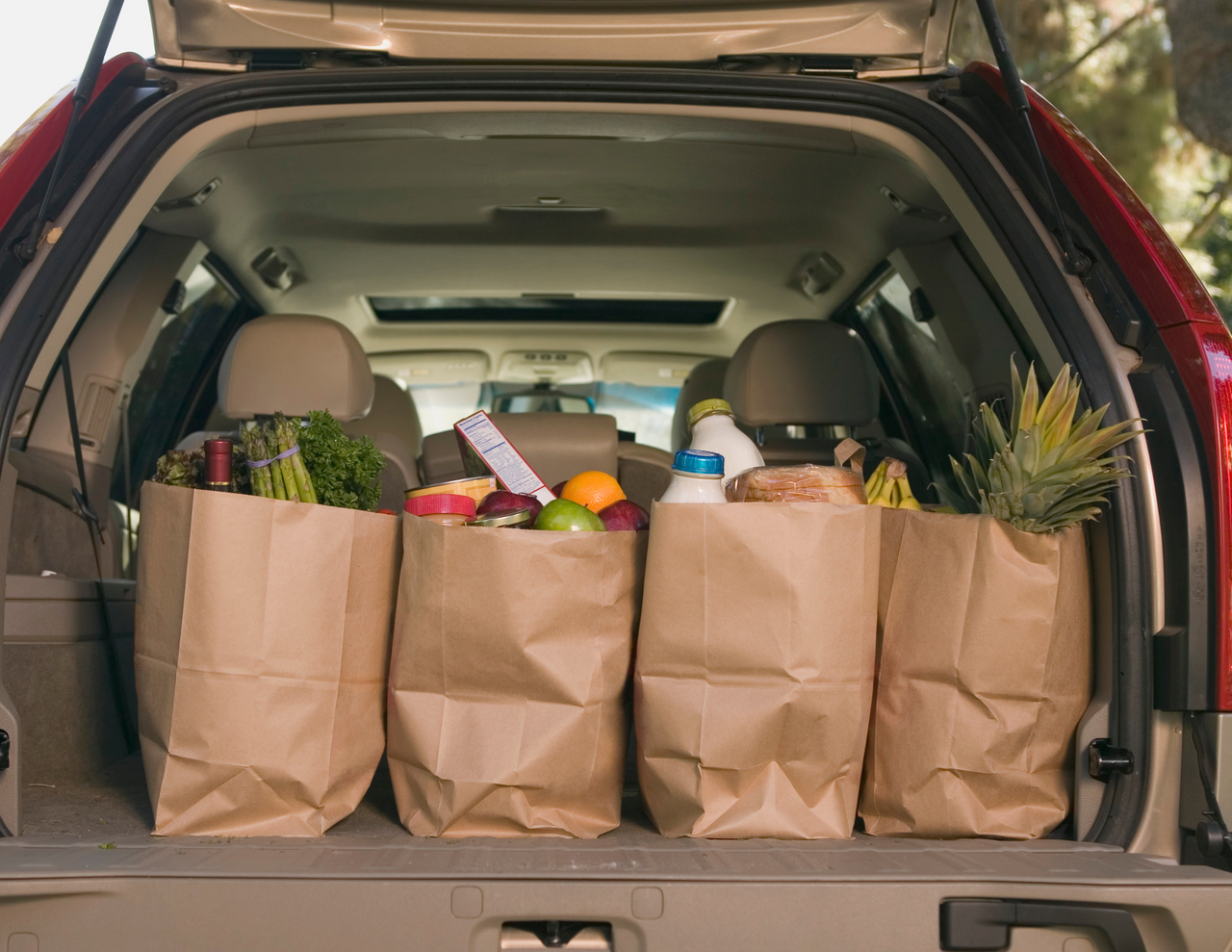
Getting groceries home before the summer heat warms them up is a race against the clock. Frozen items melt, cold drinks warm up, and food can spoil quickly. But for someone experiencing homelessness, keeping food safe can be much more challenging without access to a refrigerator, kitchen, or any reliable place to store belongings. The extreme heat can turn something as simple as keeping food fresh into another daily impossibility while trying to meet basic needs.
In Arizona, the heat is simply a part of life, but for those experiencing homelessness, it’s more than just an inconvenience. It’s an obstacle to survival. Throughout the summer, SVdP provides safe, cool spaces where people can rest and recover from the extreme heat, along with drinking water, meals, basic summer survival supplies, and rent and utility assistance to help keep families safe during the hottest months of the year. Heat relief efforts also include an emergency overnight shelter in SVdP's Phoenix Dining Room on the Key Campus, as well as a shelter and housing program at 28th Street and Washington available by agency referral.